
$1.99
FREE
100% Off
Basic language practice
ananshop

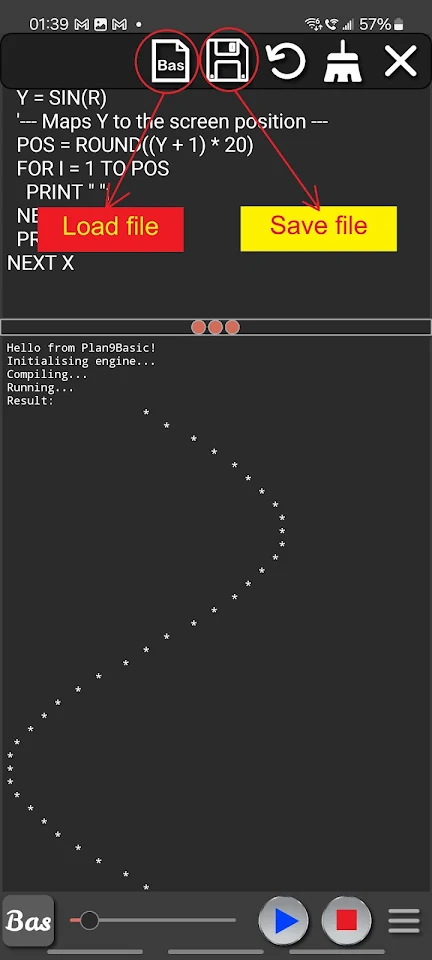
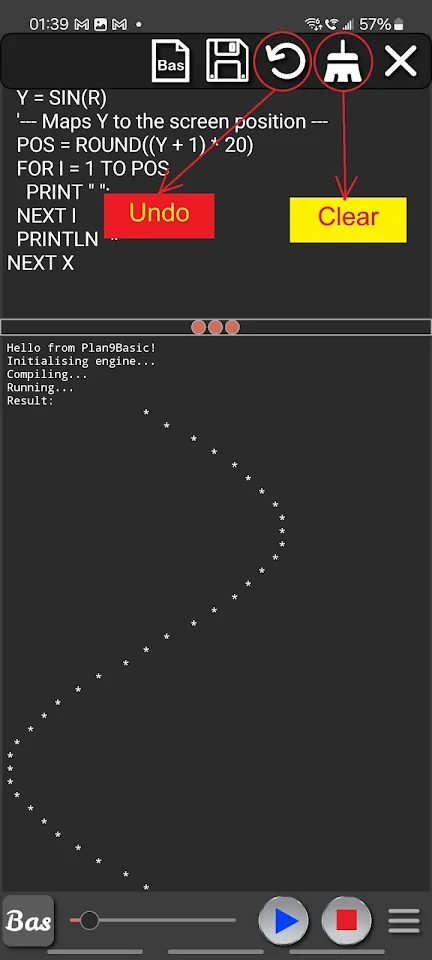
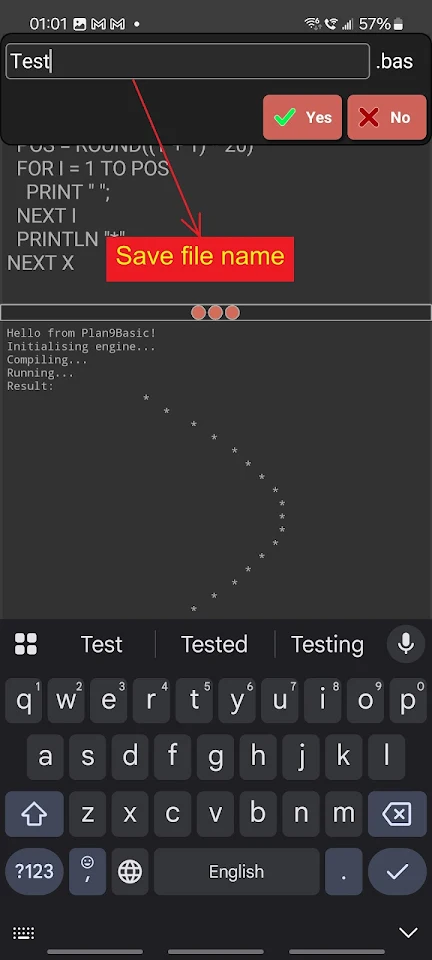
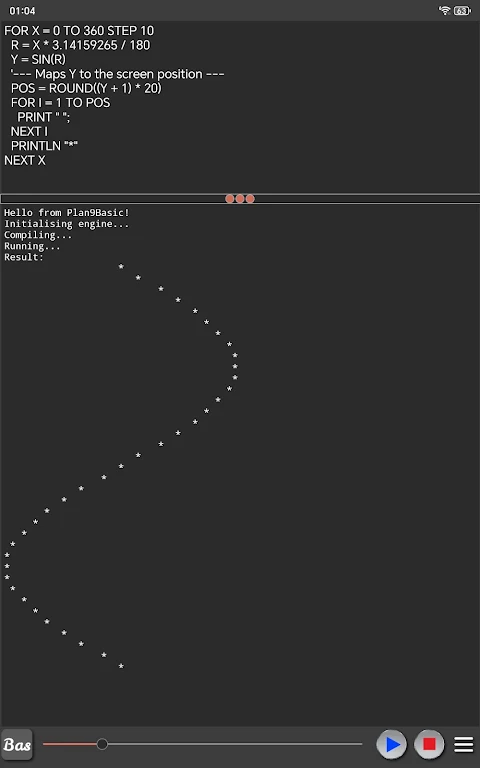


About the App
Basic Language Practice is based on the Beginner's All-purpose Symbolic Instruction Code, also known as BASIC. This family of programming languages was developed in 1964 by John G. Kemeny and Thomas E. Kurtz at Dartmouth College. The main goal behind BASIC was to make computers more accessible to students from non-science backgrounds.
Many people, especially those who are just starting out, find BASIC to be an excellent first step into the world of programming. It serves as an educational programming language that helps users learn programming fundamentals easily. BASIC was designed with simplicity in mind, making it a language for beginners. Students can engage with this user-friendly coding language to grasp essential programming concepts.
In introductory computer science classes, teachers use BASIC programming language to introduce concepts to students who may not have a strong background in technology. This makes it an ideal choice for non-technical programming education. By focusing on simplified programming concepts, BASIC allows learners to feel confident as they start their coding journey.
BASIC also has several applications in education. Its design promotes computer accessibility for students, making it easier for them to engage with and understand programming. With BASIC, students from non-science backgrounds can learn how to use computers and programming language features without feeling overwhelmed.
The history of BASIC language shows how it was tailored to meet the needs of beginners. Dartmouth programming initiatives aimed to open up the world of computers to everyone, reinforcing the notion that programming is for all. Teachers can utilize BASIC in education not just for theory but also for practical learning through BASIC coding exercises.
For students who find coding challenging, introductory coding practice with BASIC can build their confidence. The language was specifically created to meet the needs of non-science major programming, ensuring that everyone has a chance to learn.
Additionally, BASIC supports children's programming education by offering a platform that they can easily understand. With its simple structure, students can approach programming without the anxiety that often comes with learning a new skill. As a result, BASIC offers a clear pathway for programming for everyone, making it a popular choice for those eager to learn.
In conclusion, Basic Language Practice provides a valuable resource for anyone wanting to take their first steps into programming. It empowers learners through accessible computer programming and encourages them to explore the vast possibilities of technology.
Many people, especially those who are just starting out, find BASIC to be an excellent first step into the world of programming. It serves as an educational programming language that helps users learn programming fundamentals easily. BASIC was designed with simplicity in mind, making it a language for beginners. Students can engage with this user-friendly coding language to grasp essential programming concepts.
In introductory computer science classes, teachers use BASIC programming language to introduce concepts to students who may not have a strong background in technology. This makes it an ideal choice for non-technical programming education. By focusing on simplified programming concepts, BASIC allows learners to feel confident as they start their coding journey.
BASIC also has several applications in education. Its design promotes computer accessibility for students, making it easier for them to engage with and understand programming. With BASIC, students from non-science backgrounds can learn how to use computers and programming language features without feeling overwhelmed.
The history of BASIC language shows how it was tailored to meet the needs of beginners. Dartmouth programming initiatives aimed to open up the world of computers to everyone, reinforcing the notion that programming is for all. Teachers can utilize BASIC in education not just for theory but also for practical learning through BASIC coding exercises.
For students who find coding challenging, introductory coding practice with BASIC can build their confidence. The language was specifically created to meet the needs of non-science major programming, ensuring that everyone has a chance to learn.
Additionally, BASIC supports children's programming education by offering a platform that they can easily understand. With its simple structure, students can approach programming without the anxiety that often comes with learning a new skill. As a result, BASIC offers a clear pathway for programming for everyone, making it a popular choice for those eager to learn.
In conclusion, Basic Language Practice provides a valuable resource for anyone wanting to take their first steps into programming. It empowers learners through accessible computer programming and encourages them to explore the vast possibilities of technology.

TubePeak AI: YouTube SEO Tools
SEOx0 Studio
$0.99

InsideVPN: Premium VPN Proxy
Xylo Solution LLC
$9.49
Solarbank Home Widget
Schneider Digitalwerk
$9.49
$7.59