

$2.99
Free
100% Off
Another Lost Phone: Laura’s Story
Plug In Digital


About the App
Another Lost Phone is an immersive narrative mystery game that places the player inside the digital life of a young woman whose smartphone has been mysteriously lost. Instead of controlling a character in a traditional game world, you explore her story through everyday mobile apps—messages, emails, photos, social media fragments, and notes—turning a familiar phone interface into the core storytelling mechanic. This unconventional approach immediately blurs the line between fiction and reality, making the experience feel personal, intimate, and unsettling in a way few mobile games attempt.
At its core, the game is designed as a digital investigation. Players must carefully piece together information scattered across different applications, timelines, and conversations to understand what happened to Laura and why her phone was abandoned. Every notification, deleted message, or photo album becomes a clue. Progression is driven by observation and deduction rather than reflexes or puzzles, rewarding players who pay attention to subtle details and emotional context instead of explicit instructions.
What sets Another Lost Phone apart within the indie narrative game niche is its focus on real-world social themes. The story explores relationships, emotional dependency, social pressure, and the darker sides of digital communication in the modern age. Rather than presenting these issues abstractly, the game allows players to experience them firsthand through private chats, work emails, and social interactions—mirroring how much of real life now unfolds through screens.
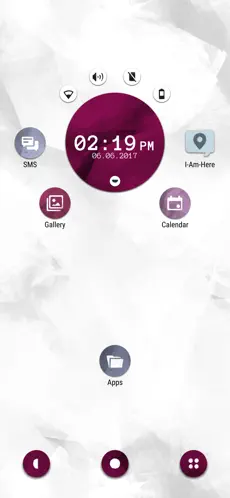
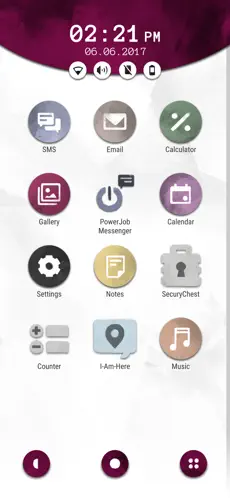
The game’s minimalist design and realistic phone interface are intentional choices that strengthen immersion. There are no traditional menus, scoreboards, or artificial HUD elements. Instead, the phone itself is the game world. This design philosophy makes the experience accessible to casual players while also appealing to fans of experimental storytelling, interactive fiction, and psychological narrative games who are looking for something deeper than standard mobile entertainment.
Emotionally, Another Lost Phone is not about winning or losing—it’s about understanding. As players uncover more of Laura’s life, they are encouraged to reflect on their own digital habits, assumptions, and boundaries. The game often asks uncomfortable questions about privacy, empathy, and judgment, leaving a lasting impact that extends beyond the final screen. Many players describe it less as a game and more as an interactive story that stays with them long after completion.
Overall, Another Lost Phone stands as a strong example of how mobile games can be used as a storytelling medium rather than just a time-killer. By transforming an everyday object into a narrative device, it delivers a thought-provoking experience that resonates with players interested in mystery, social commentary, and emotionally driven indie games. It’s a quiet, reflective title that proves powerful stories don’t need complex mechanics—just authenticity and careful design.
At its core, the game is designed as a digital investigation. Players must carefully piece together information scattered across different applications, timelines, and conversations to understand what happened to Laura and why her phone was abandoned. Every notification, deleted message, or photo album becomes a clue. Progression is driven by observation and deduction rather than reflexes or puzzles, rewarding players who pay attention to subtle details and emotional context instead of explicit instructions.
What sets Another Lost Phone apart within the indie narrative game niche is its focus on real-world social themes. The story explores relationships, emotional dependency, social pressure, and the darker sides of digital communication in the modern age. Rather than presenting these issues abstractly, the game allows players to experience them firsthand through private chats, work emails, and social interactions—mirroring how much of real life now unfolds through screens.
The game’s minimalist design and realistic phone interface are intentional choices that strengthen immersion. There are no traditional menus, scoreboards, or artificial HUD elements. Instead, the phone itself is the game world. This design philosophy makes the experience accessible to casual players while also appealing to fans of experimental storytelling, interactive fiction, and psychological narrative games who are looking for something deeper than standard mobile entertainment.
Emotionally, Another Lost Phone is not about winning or losing—it’s about understanding. As players uncover more of Laura’s life, they are encouraged to reflect on their own digital habits, assumptions, and boundaries. The game often asks uncomfortable questions about privacy, empathy, and judgment, leaving a lasting impact that extends beyond the final screen. Many players describe it less as a game and more as an interactive story that stays with them long after completion.
Overall, Another Lost Phone stands as a strong example of how mobile games can be used as a storytelling medium rather than just a time-killer. By transforming an everyday object into a narrative device, it delivers a thought-provoking experience that resonates with players interested in mystery, social commentary, and emotionally driven indie games. It’s a quiet, reflective title that proves powerful stories don’t need complex mechanics—just authenticity and careful design.

Alice Beyond Wonderland
MediaCity Games
$3.99
$2.99

Planet of Lana
Playdigious
$8.49
$5.99

The Secret of Crimson Manor
MediaCity Games
$0.99
Free